Key Takeaways
- The colon is part of the digestive system: It helps process waste, absorb water, and move stool through the body.
- Diet and lifestyle can influence colon health: Fiber intake, hydration, movement, and overall eating habits are commonly discussed in relation to digestive wellness.
- Regular bowel habits are often viewed as one sign of colon function: Stool consistency, frequency, and digestive comfort can all provide insight into gut health.
- Certain habits may help support colon wellness: Fruits, vegetables, whole grains, and adequate fluid intake are frequently emphasized in colon-friendly routines.
- Persistent digestive changes should not be ignored: Ongoing constipation, diarrhea, bleeding, or abdominal discomfort may warrant medical evaluation.
As the last stop in the digestive process, your colon is always busy absorbing water, taking up electrolyte minerals, and playing host to the trillions of microbes that make up your gut microbiome. Yet you probably never think about all that activity—until something goes wrong.
Uncomfortable digestive symptoms can be a sign of imbalance or digestive disease. But a combination of dietary choices and lifestyle modifications can put your colon back on track.
Common Colon Health Problems
According to the National Institute of Diabetes and Digestive and Kidney Diseases (NIDDKD), between 60 and 70 million people in the U.S. suffer from some kind of digestive condition that affects the colon, including:
- Irritable bowel syndrome (IBS) is a chronic condition characterized by cramping, pain, bloating, and constipation or diarrhea
- Inflammatory bowel disease (IBD) is a group of inflammatory conditions that affect the gut lining and include ulcerative colitis and Crohn’s disease
- Diverticular disease, in which pouches form in weak areas of the colon (diverticulosis) and can become inflamed (diverticulitis)
Factors That Affect Colon Health
But diseases aren’t the only cause of digestive problems. Your colon is constantly in contact with input from the outside world—including, by one estimate, nearly 2,000 pounds of food every year, which makes diet one of the most significant factors in colon health. What you eat can support digestive wellness or contribute to conditions like inflammation, leaky gut, and dysbiosis.
In addition to diet, colon health can also be affected by:
- Illness
- Stress
- Obesity
- Exercise
- Hormonal fluctuations
- Medications, such as antibiotics
- Age-related changes in gut function
Signs of an Unhealthy Colon
Whatever the cause, symptoms of colon health problems can range from mild to severe and include:
- Abdominal pain or cramping
- Bloating and gas
- Constipation
- Diarrhea
- Nausea or vomiting
If your symptoms are associated with an illness like gastroenteritis (“stomach flu”), they should go away after a few days. Persistent or chronic symptoms may indicate a more significant underlying condition and should be evaluated by your doctor.
When to See a Doctor for Colon Health
Some symptoms can be signs of serious digestive conditions. See your doctor right away if you experience any of the following:
- Sudden changes in stool size
- Uncontrollable or chronic diarrhea
- Urgency or bowel incontinence
- Unexplained weight loss
- A feeling that your bowels don’t empty completely
- Dark or tarry stools, which may indicate bleeding
- Visible blood in your stool
Your doctor will perform diagnostic tests and suggest appropriate treatment based on the results.
When to start colon cancer screening
Even if you don’t have any digestive symptoms, the CDC recommends starting regular colon cancer screening at age 45. Screening options include stool tests, virtual colonoscopy, and traditional colonoscopy, and are performed every one to 10 years.
Your doctor may recommend early screening if you have risk factors like:
- IBD, since inflammation can cause changes to the cells that line your colon
- A family history of colon cancer
- Certain genetic conditions
Routine colon cancer screening typically continues until age 75, after which it may be performed on an as-needed basis.
3 Tips for Better Colon Health
Fortunately, many common digestive symptoms aren’t serious and can be addressed with simple diet and lifestyle changes. Here are three ways to keep your colon healthy and happy.
1. Eat more whole plant foods
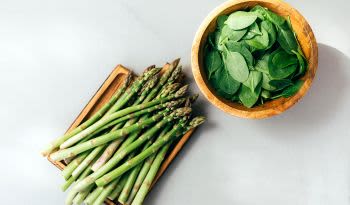
Research shows that diets emphasizing whole and minimally processed plant foods promote overall colon health. Some foods may offer particular benefits, including:
- Whole grains, beans, nuts, and seeds contain compounds called phytates. Phytates may help prevent free radical damage that can contribute to inflammation.
- Cooked and cooled pasta or potatoes provide resistant starch, a type of fiber shown to cause favorable changes in the gut microbiome. Cooling these foods before eating increases the resistant starch content. (It’s okay to heat them back up if you don’t like cold food!)
- Dates may increase the production of short-chain fatty acids, which help maintain a healthy gut lining and may prevent leaky gut. Dates also appear to support cell health by regulating factors involved in DNA damage.
- Fermented foods like raw sauerkraut, low-sugar kombucha, and plain yogurt contain probiotics that can support gut health.
2. Remove or reduce meat and junk food
Studies indicate that many foods common to standard Western diets may increase your risk of colon diseases and should be avoided:
- High meat consumption. Eating a lot of meat, including red and processed meat, can increase the number of protein-fermenting gut microbes. This may lead to higher production of ammonia, which can be toxic, and hydrogen sulfide, which is associated with the development of ulcerative colitis.
- Sugar and artificial sweeteners. Added sugars and calorie-free sweeteners can trigger inflammation, promote the growth of pathogenic bacteria, and reduce the production of the protective mucus that lines the colon.
- Ultra-processed foods. The combination of saturated fat, sugar, and additives in highly refined foods may be linked to inflammation and changes in the microbiome. Diets high in these foods may damage the gut barrier and increase the risk of leaky gut.
If you suffer from IBS or IBD, you might need to avoid other foods to minimize irritation or inflammation. Ask your doctor if dietary patterns like low FODMAP or the Specific Carbohydrate Diet (SCD) may help your symptoms.
3. Clean up your lifestyle
Along with dietary choices, these lifestyle changes can provide additional support for colon health by limiting irritants and promoting a balanced microbiome:
- Exercise may reduce inflammation and oxidative stress, help your body remove damaged cells, and support tissue regeneration, which could promote a strong gut barrier and prevent leaky gut.
- Stress reduction can minimize inflammation and restore vagus nerve function. Since it’s involved in regulating gut muscle function, a healthier vagus nerve can mean fewer unpleasant symptoms.
- Quitting smoking reduces your exposure to hundreds of chemicals that can cause free radical damage and inflammation throughout your body, including your gut. (Your lungs will thank you, too!)
- Limiting alcohol consumption can soothe irritated digestive tissues and reduce the risk of dysbiosis and leaky gut.
- Adequate sleep appears to support antioxidant activity, which can help control inflammation. Getting the recommended seven or more hours of sleep per night may also improve the body’s ability to repair damage in the gut, although this hasn’t been tested in humans.
Can Supplements Support Colon Health?
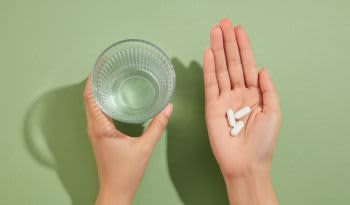
Some supplements may provide additional colon health support when combined with a healthy diet and lifestyle:
- Probiotics have been shown to provide support for temporary digestive issues such as diarrhea and constipation, particularly in cases associated with antibiotic use.
- L-glutamine may play a role in supporting cellular health in the gut, which can help support a healthy colon wall.
- Zinc carnosine may support the mucosal barrier and help maintain a healthy gut membrane.
- Deglycyrrhizinated licorice coats and soothes the digestive tract and may support the production of the colon’s protective mucus layer. Other soothing herbs include slippery elm and marshmallow root.
- Quercetin may help protect colon cells from free radical damage and promote a healthy gut barrier.
- Magnesium and psyllium husks can both promote healthy bowel function and may help with constipation. Psyllium draws water into stool to create bulk, and magnesium helps support normal muscle relaxation, potentially helping to make stool easier to pass.
- Herbs like chamomile, fennel, lemon palm, peppermint, and ginger are associated with digestive health and may be helpful for temporary bloating, gas, or abdominal pain.
Note that some supplements may not be suitable for certain conditions and may interact with other medications you take. Consult a doctor or other qualified health professional before starting a new supplement.
Top Takeaways for a Happy Colon
- Digestive diseases that disrupt colon health are common and include irritable bowel syndrome (IBS), inflammatory bowel disease (IBD), diverticular disease, and colon cancer.
- Common symptoms of colon health problems include constipation, diarrhea, cramping, bloating, and gas.
- Severe symptoms include unexplained weight loss, changes in stool size or frequency, bowel incontinence, and bloody stools. See your doctor immediately if you develop any of these symptoms.
- Colon health may be affected by diet, illness, stress, obesity, exercise, medications, hormone changes, and age.
- The best foods for colon health include fruits, vegetables, whole grains, beans, nuts, seeds, fermented foods like sauerkraut, and cooked and cooled pasta and potatoes. Avoid ultra-processed foods, excessive meat intake, and alcohol.
- Lifestyle changes can promote colon health. Try exercising, reducing stress, getting adequate sleep, and quitting smoking.
- Some supplements, such as probiotics, L-glutamine, and soothing herbs, may provide additional colon health support.
- The Centers for Disease Control and Prevention recommends routine colon cancer screening beginning at age 45.
References:
- American Cancer Society. (2024). Colorectal cancer risk factors: What increases your risk of colon cancer? American Cancer Society Health Reference Portal.
- Centers for Disease Control and Prevention. (2024). Colorectal cancer screening tests. U.S. Department of Health and Human Services.
- Cleveland Clinic. (2022). Leaky gut syndrome: Symptoms, causes, and clinical myths. Cleveland Clinic Health Library.
- Delish Staff. (2014, May 14). The numbers are in: The average American consumes one ton of food every single year. Delish Food and Culture News.
- Fajstova, A., Galanova, N., Coufal, S., Malkova, J., Kostovcik, M., Cermakova, M., Pelantova, H., Kuzma, M., Sediva, B., Hudcovic, T., Hrncir, T., Tlaskalova-Hogenova, H., Kverka, M., & Kostovcikova, K. (2020). Diet rich in simple sugars promotes pro-inflammatory response via gut microbiota alteration and TLR4 signaling. Cells, 9(12), Article 2701.
- Gou, H.-Z., Zhang, Y.-L., Ren, L.-Fei., Li, Z.-J., & Zhang, L. (2022). How do intestinal probiotics restore the intestinal barrier? Frontiers in Microbiology, 13, Article 929346.
- Greger, M. (2015, September 21). Phytates for the prevention of cancer (Video Article). NutritionFacts.org.
- Greger, M. (2021, June 14). Benefit of dates for colon health (Video Article). NutritionFacts.org.
- Greger, M. (2022, October 24). Gut dysbiosis: Starving our microbial self (Video Article). NutritionFacts.org.
- Greger, M. (2023, November 17). What animal protein does in your colon (Clinical Blog Entry). NutritionFacts.org.
- Lipski, E. (2011). Digestive wellness: Strengthen your immune system and prevent disease through healthy digestion (4th ed.). McGraw-Hill Education.
- Madison, A., & Kiecolt-Glaser, J. K. (2019). Stress, depression, diet, and the gut microbiota: Human–bacteria interactions at the core of psychoneuroimmunology and nutrition. Current Opinion in Behavioral Sciences, 28, 105–110.
- Mayo Clinic. (2023). Inflammatory bowel disease (IBD): Symptoms, causes, and complications. Mayo Foundation for Medical Education and Research.
- Mayo Clinic. (2023). Irritable bowel syndrome (IBS): Symptoms, causes, and diagnostic criteria. Mayo Foundation for Medical Education and Research.
- MedicineNet Medical Editors. (2022). Does your digestive system change with age? Exploring normal aging physiology. MedicineNet Clinical Reference.
- National Institute of Diabetes and Digestive and Kidney Diseases. (2023). Digestive diseases health statistics for the United States. U.S. National Institutes of Health.
- Richmond, S. (2022). Sugar disrupts gut microbiome and immune function, leading to metabolic disorders. Medical News Today.
- Song, Z., Song, R., Liu, Y., Wu, Z., & Zhang, X. (2023). Effects of ultra-processed foods on the microbiota-gut-brain axis: The bread-and-butter issue. Food Research International, 167, Article 112730.
- Thapa, S. (2024). Structural disruptions of the mucosal interface: Evaluating gastrointestinal transit and epithelial integrity under western-type dietary insults. Journal of Functional Foods, 114, Article 106030.
- Tristan Asensi, M., Napoletano, A., Sofi, F., & Dinu, M. (2023). Low-grade inflammation and ultra-processed foods consumption: A review. Nutrients, 15(6), Article 1546.
- Verywell Health Editorial Team. (2023). An overview of digestive system diseases, structures, and treatment strategies. Verywell Health.
- Zhou, J., He, L., Liu, M., Guo, X., Du, G., Yan, L., Zhang, Z., Zhong, Z., & Chen, H. (2023). Sleep loss impairs intestinal stem cell function and gut homeostasis through the modulation of the GABA signalling pathway in Drosophila. Cell Proliferation, 56(9), Article e13437. Zhou, X., Qiao, K., Wu, H., & Zhang, Y. (2023). The impact of food additives on the abundance and composition of gut microbiota. Molecules, 28(2), Article 631.
DISCLAIMER:
These statements have not been approved by the Food and Drug Administration. These products are not intended to diagnose, treat, cure, or prevent disease.

























































 Table of Contents