1996 vs. 2026: How Our Wellness Routines Have Changed in 30 Years
10,210 Views
Evidence Based
iHerb has strict sourcing guidelines and draws from peer-reviewed studies, academic research institutions, medical journals, and reputable media sites. This badge indicates that a list of studies, resources, and statistics can be found in the references section at the bottom of the page.
If you walked into a gym in 1996, you'd likely hear Eurodance music pumping through the speakers while rows of exercisers stepped in unison across plastic platforms. Fat-free cakes and high-fiber bran muffins were popular; distance runners carb-loaded before marathons, and no one tracked sleep, stress levels, or heart rate variability. Thirty years later, wellness looks remarkably different—not because the fundamentals of good health have changed, but because our knowledge has.
Over the past three decades, wellness has evolved from an appearance-driven approach shaped by diet fads and one-size-fits-all advice into an increasingly personalized, science-informed approach. Advances in technology, nutrition research, preventive medicine, and longevity science have changed how we care for our bodies. Today, wellness is less about chasing quick fixes and more about building performance-focused habits that support energy, resilience, psychological health, and healthy aging.
Wellness in 1996: A Snapshot of the Past
A look back at the history of wellness reveals a culture defined by fitness, dieting, and an emphasis on aesthetics and weight loss. Mainstream gym culture blended high-energy group aerobics classes with weight-room workouts. Weight training was becoming more mainstream, while early sports supplements and stimulant-heavy pre-workouts gained popularity among serious bodybuilders.
Supermarkets carried many low-fat, cholesterol-free, and fat-free products. Margarine was in, butter was out, and people were told that dietary fat—not sugar—was the nutrition villain. Athletes favored carb-heavy fueling strategies, basic protein powders, and traditional sports drinks. Everyday wellness advice emphasized cardio and calorie counting for weight loss. Resveratrol-rich red wine earned a health halo thanks to the growing interest in the "French paradox."
Not everything from the era missed the mark. Foundational habits such as exercising regularly, eating more fruits and vegetables—the popular mantra was "5-a-day"—staying active, and not smoking remain important today. What has changed is the science behind those habits and the recognition that wellness extends far beyond appearance. Today, strength, recovery, metabolic health, gut health, mental wellness, and healthy aging are becoming more important than the number on the scale.
Fitness Then vs. Now: From Aerobics and Gym Culture to Personalized Exercise
Over the last 30 years, fitness has undergone a visible transformation. In the history of fitness, the mid-1990s marked a turning point from aerobics-heavy cardio culture to the more varied training approaches that followed.
Walk into a gym in 1996, and you'd typically find two distinct scenes. In the weight room, men in oversized T-shirts, tank tops, and baggy sweatpants lifted free weights or trained on cable and Hammer Strength machines. Nearby, women filled studios for step aerobics, high-impact cardio, and dance fitness classes. The goal was to burn as many calories as possible through cardio-focused exercise and attain a lean physique rather than build functional strength or maintain long-term health.
At home, exercise was equally popular. VHS workouts featuring Jane Fonda, Richard Simmons, Denise Austin, and, later, Billy Blanks' Tae Bo brought fitness into millions of living rooms.
Today's fitness landscape is far more diverse and personal. The evolution of fitness has moved us beyond one-size-fits-all routines. Today, people choose activities based on their goals, interests, age, and stage of life. Functional strength training, mobility work, recovery, and longevity have become central themes, while programs designed specifically for women's health—including menopause, bone health, and muscle preservation—continue to grow.
Whether you prefer lifting weights, walking, practicing yoga, training for a marathon, playing pickleball, or following workouts on an app, today's approach encourages connection, variety, sustainability, and enjoyment. The goal is no longer simply to look skinny and fit. It's to build muscle, move well, reduce the risk of injury and chronic disease, stay strong and independent, and enjoy an active, healthy life for years to come.
Nutrition Then vs. Now: From Low-Fat Diets and Carb Loading to Smarter Fueling
Just as the history of fitness has evolved, so has our understanding of nutrition. In the mid-1990s, the diet du jour for weight loss, cholesterol reduction, and heart health was low-fat, high-carb. Influenced by the research of Dr. Dean Ornish, many believed dietary fat was the primary culprit behind heart disease and weight gain. Because fat contains more than twice the calories per gram as protein or carbohydrates, the prevailing wisdom was simple: eat less fat, lose weight.
Entenmann's fat-free cakes, SnackWell's fat-free cookies, and spray butter became household staples. Olestra, a synthetic fat substitute, fueled the fat-free diet craze but was discontinued because it caused gastrointestinal issues. Oat bran cereals, high-fiber breads, and foods containing psyllium became popular after studies showed soluble fiber could lower LDL (“bad”) cholesterol and the FDA approved a health claim for foods containing soluble fiber from whole oats.
Fad diets flourished. SlimFast dominated the weight-loss market with its memorable "Give us a week, we'll take off the weight" slogan, while the Cabbage Soup Diet promised rapid results. Millions of prescriptions were written for the weight-loss drug Fen-Phen before serious cardiovascular risks led to its withdrawal from the market.
Sports nutrition was also in its infancy. Athletes and fitness enthusiasts typically relied on heavy carb loading before events, basic whey protein powders, and sugary sports drinks, with far less understanding of hydration, recovery, or individualized nutrition than we have today.
Today's approach to nutrition is more balanced and evidence-based. Rather than fearing fat, experts recognize the importance of healthy fats (especially omega-3 fatty acids), high-quality protein, complex carbohydrates, hydration to optimize athletic performance, high-fiber foods, and overall dietary patterns.1
Research has also highlighted the importance of post-workout recovery and hormonal balance. The importance of the gut microbiome in supporting digestion, immunity, metabolism, and overall health has taken center stage.2 Instead of chasing quick fixes, modern nutrition emphasizes sustainable eating habits that support energy, performance, hormonal health, and overall well-being.
How Athletes Fueled Up in 1996 vs. 2026
The history of sports nutrition reflects many of the wider changes in wellness over the past three decades. In 1996, athletes typically followed standardized nutrition plans shaped by the USDA Food Guide Pyramid, the low-fat movement, available sports nutrition research, and advice from champion bodybuilders and elite runners featured in magazines like Muscle & Fitness and Runner's World.
For endurance athletes, fueling typically meant a high-carbohydrate, low-fat diet, with pasta-heavy carb loading before races to maximize glycogen stores and basic electrolyte drinks to stay hydrated. Bodybuilders emphasized large amounts of lean protein, frequent meals to maintain an anabolic state, strategic bulking and cutting cycles, and whey protein shakes to aid muscle growth while minimizing dietary fat.
Today’s athletes take a more individualized approach. Macronutrient balance, electrolytes, hydration, meal timing, micronutrients, and strategic supplementation to maximize athletic performance form the foundation. From there, fueling plans are adjusted based on training demands, recovery needs, body composition goals, and overall health.
Many athletes choose NSF Certified for Sport® supplements, which are independently tested for quality and screened for banned substances. These trusted products help athletes build customized nutrition plans that support performance, recovery, and long-term health.
The Technology Shift: From Limited Tracking to Wearables, AI, and Data-Driven Health Insights
Technology has transformed personal wellness and played a major role in the evolution of fitness. Thirty years ago, most people could track only a handful of health metrics, such as heart rate, body composition, and VO₂ max. Even then, much of the information had to be recorded manually or entered into desktop software. Unlike today's all-in-one smartwatches, separate devices were needed to measure individual metrics, and advanced testing required expensive equipment primarily found in sports science laboratories.
Take VO₂ max, one of the best indicators of cardiorespiratory fitness and aerobic endurance. In 1996, measuring it typically meant visiting a university or sports performance lab, wearing a face mask connected to sophisticated equipment, and exercising on a treadmill or stationary bike. Today, many smartwatches can estimate VO₂ max automatically during workouts, making information once reserved for elite athletes and researchers available to everyday exercisers.
Wearables such as the Apple Watch, Fitbit, Garmin, and Oura Ring now track steps, heart rate, sleep quality, stress, recovery, heart rate variability, body temperature trends, and menstrual cycle patterns. Continuous glucose monitors and other emerging technologies can also give valuable insights into how food, exercise, sleep, and stress affect blood sugar regulation. Researchers are even developing tools that estimate biological age based on a variety of health markers.
Technology now does far more than collect data—it helps people use it. Apps connected to wearable devices provide personal feedback, habit reminders, recovery scores, and customized recommendations. AI-powered coaching platforms can generate workout plans, suggest nutrition strategies, guide meditation and stress management practices, and adapt recommendations based on an individual's goals and progress.
Technology has made wellness easier to access than ever before. Streaming workouts, fitness apps, and virtual coaching bring guidance into people's homes, making everything from yoga and Pilates to strength training and high-intensity interval training available anytime, anywhere.
The shift from limited tracking in 1996 to today's continuous, analytics-based insights has fundamentally changed the way people understand their health. Rather than relying on guesswork, individuals can observe patterns, make well-informed decisions, stay motivated, and personalize their regimes to improve health and prevent disease.
Recovery, Rest, and Mental Wellness Become Priorities
Fitness history has been shaped not only by how we train, but also by how we recover, nourish, and support the whole person. In the mid-1990s, the prevailing mindset was “no pain, no gain.” High-impact workouts and pushing through exhaustion were seen as badges of honor. Rest days were often viewed as signs of weakness rather than as essential for recovery.
Today, wellness isn’t just about exercise and dieting. It’s about mental wellness, hormonal balance, recovery, nutrition, sleep, stress resilience, social connection, and healthspan—the years we live with strength, energy, mobility, and vitality.
Sports science has changed our understanding of recovery. We now recognize that pain during exercise can signal injury, overuse, or poor movement patterns. Recovery is necessary to improve performance, prevent injury, and support long-term health. Sleep is also recognized as a key pillar of wellness.3 During deep sleep, the body restores muscle tissue, regulates hormones, consolidates memories, and supports immune function.
Researchers have also demonstrated the powerful relationship between physical and mental health. Chronic stress can impair recovery, increase the risk of illness and injury, disrupt sleep, affect hormones, and reduce performance. At the same time, nutrition science has expanded to include the food-mood connection and the gut-brain axis.
Recovery practices like mobility training, stretching, mindfulness, breathwork, massage, cold-water immersion, and active recovery have become mainstream. Social wellness and community-based support are also increasingly recognized as essential parts of healthy aging, because connection, belonging, and encouragement help people stay consistent and resilient over time.
Rather than training harder at all costs, today’s approach encourages people to train smarter by balancing challenge with rest, nourishment, and emotional well-being. Fitness is no longer judged solely by appearance, but by how well the body moves, functions, feels, and supports a vibrant life.
The Rise of Holistic Wellness: Gut Health, Hormones, Longevity, and Community
The history of wellness has expanded dramatically over the past three decades. Wellness in 2026 extends far beyond exercise and dieting. Health and wellness practices have become holistic, identifying the interconnected roles of nutrition, sleep, stress management, movement, hormone balance, social connection, and psychological health.
One of the most significant scientific advances has been our knowledge of the gut microbiome. Research continues to reveal how the trillions of microorganisms living in the digestive tract influence not only digestion but also immunity, metabolism, inflammation, and even mood.4 As a result, nutrition recommendations increasingly emphasize whole foods, fiber, fermented foods, and the deliberate use of prebiotics and probiotics to support a healthy microbiome.
Women's health has also moved into the spotlight. Topics such as perimenopause, menopause, hormonal health, bone density, muscle preservation, and healthy aging are receiving unprecedented attention from researchers, healthcare providers, and the wellness industry.
Wearable technology and biomarker testing now help people understand how sleep, stress, activity, and hormonal changes influence overall health. Renewed research into hormone replacement therapy has also given many women additional options for managing menopausal symptoms while promoting long-term bone, brain, metabolic, and cardiovascular health.
The wellness conversation has also shifted from extending lifespan to improving healthspan—the years we remain healthy, active, and free from chronic disease. Advances in longevity science have inspired greater emphasis on sustaining muscle, optimizing sleep, reducing chronic inflammation, and supporting metabolic health throughout life. Along with a healthy diet, anti-aging supplementation is increasingly seen as important for longevity.
Current wellness thinking recognizes that thriving isn't something we do alone. Strong social connections are now understood to be powerful contributors to both physical and mental health. Walking clubs, fitness communities like CrossFit, recreational sports, and wellness challenges support accountability, a feeling of belonging, and meaningful interpersonal connections, reminding us that healthy relationships are just as important as healthy habits.
From External Pressure to Internal Balance: The Biggest Wellness Shift
When you look at the history of wellness, perhaps the greatest change over the past 30 years isn't simply a new workout, supplement, or wearable—it's a new way of thinking.
In the mid-1990s, wellness was driven by external goals: losing weight, fitting into a smaller size, looking younger, or achieving the "perfect" body. Exercise was frequently viewed as a vehicle to burn calories and compensate for overeating. Foods were labeled as either "good" or "bad," often based on their fat content. Success was measured by the number on the scale or how closely someone matched society's ideal.
Today, appearance still motivates people, but the definition of wellness has expanded. People are exercising to build strength, preserve muscle and bone, improve mobility, reduce stress, sleep better, and have the energy to fully engage in life. Nutrition has shifted from restriction to nourishment, with greater emphasis on fueling the body, supporting the microbiome, and encouraging long-term health.
Wellness has also become personal. Rather than following one-size-fits-all rules, people increasingly tailor their routines to their goals, preferences, health conditions, and life stages. Personalized nutrition, wearable technology, DNA insights, and continuous health data are enabling the creation of wellness plans that are both evidence-based and highly individualized.
While wellness trends will certainly continue to evolve, one lesson has become increasingly clear: lasting health isn't built by chasing perfection. It's built through consistent, healthy habits that support the whole person—body, mind, and spirit. The greatest shift over the past three decades isn't simply that we've learned more about health; it's that we've expanded our definition of what it truly means to be well mentally and physically.
From Old School to Modern Wellness
Reviewing the past 30 years reminds us that wellness trends will evolve, and fads will come and go. The wellness fundamentals will remain consistent: move your body, nourish it well, prioritize recovery, manage stress, sleep deeply, and cultivate meaningful relationships.
The difference between 1996 and 2026 is that we now have better science and technology and more personalized tools to apply those fundamentals in smarter ways. Modern wellness means choosing sustainable habits that support long-term energy, strength, performance, mental well-being, and healthspan, rather than chasing extremes.
That means fueling properly, supporting recovery, and selecting trusted wellness tools that align with your goals. For athletes and active individuals, NSF-certified sports nutrition products can offer additional confidence by helping ensure supplements are tested for quality and safety.
Whether you’re training for your next race, navigating midlife, or simply want to feel and function at your best, the future of your wellness starts with sustainable, evidence-based habits that support your body, mind, and life.
DISCLAIMER:
These statements have not been approved by the Food and Drug Administration. These products are not intended to diagnose, treat, cure, or prevent disease.
Shop This Article
Keep Learning
All About Probiotics for Kids
by Dr. Cherilyn Davis, M.D.
906 Views
My Daily Routine: How a Doctor of Eastern Medicine Builds a Day Around Wellness
by Dr. Jenelle Kim, DACM, L.Ac.
3,997 Views
Castor Oil in Your Belly Button: What the Science Actually Says About the Navel Pulling Trend
by Dr. Michael Murray, N.D.
107,624 Views
Lactoferrin Benefits: How This Milk-Derived Protein Supports Immune Health
by Dr. Michael Murray, N.D.
58,883 Views
What Are Phospholipids? Functions and Health Benefits
by Pooja Mahtani, PharmD
5,716 Views
The Science of Supplements: How Vitamin Delivery Systems Have Evolved
by Dr. Saru Bala, N.D.
14,724 Views
5 Foundational Supplements That Have Stood the Test of Time
by Dr. Jenelle Kim, DACM, L.Ac.
13,335 Views
Bilberry for Eye Strain and Digital Screen Fatigue
by Christine Alstat, N.D.
10,637 Views
The Ultimate Guide to Methylfolate: Benefits, MTHFR, and How It Compares With Folic Acid
by Francisco Martin, Probase Nutrition
545 Views
Sulforaphane Explained: What Is This Powerful Compound and How to Get More of It

























































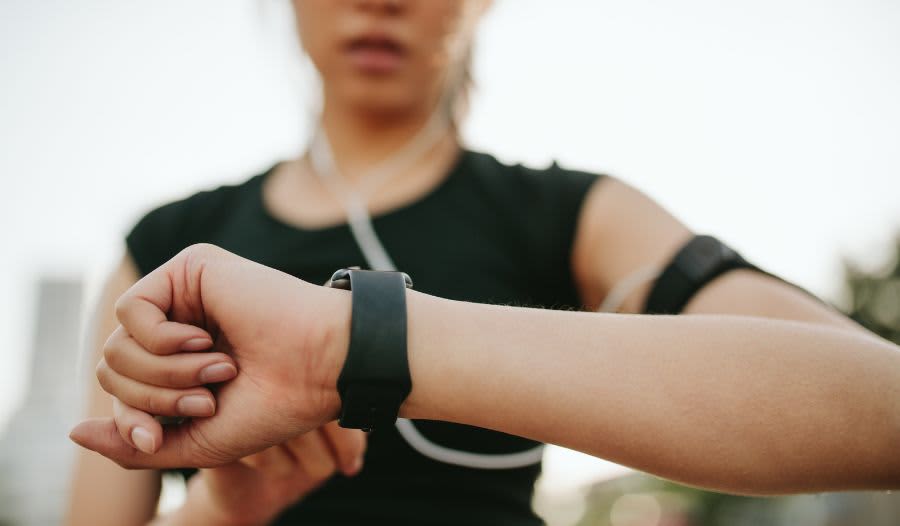
 Table of Contents