There are two sources of fuel for the human body: glucose and fatty acids. Fat is an energy source that can be stored in excess in the body, leading to weight gain. Learning to efficiently access this fat for energy, rather than glucose, is key to weight loss. This idea is the basis for the ketogenic diet, which has grown in popularity over the past few years.
What Is The Keto Diet?
The ketogenic diet, popularly known as the Keto diet, is an eating regimen high in healthy fats, moderate in protein, and low in carbohydrates. The diet is based on the idea that when intake of simple carbohydrates and/or sugar is reduced to 30-50 grams per day for more than a few days, the body will start to convert fat into ketones, which are then used for energy.
Personally, I recommend plenty of green leafy vegetables when practicing keto. Since they are low in calories, they can comprise up to a quarter of your food intake, while only accounting for five percent of your calories. For example, two servings of spinach contain only 20 calories.
Traditionally, the keto diet is defined as a diet where foods are consumed in the following ratios:
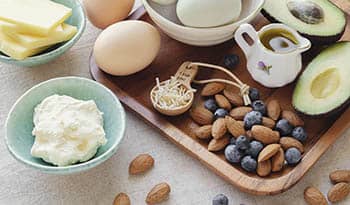
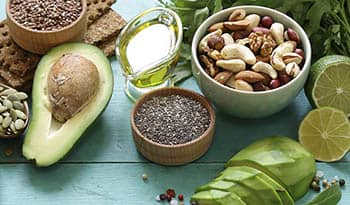
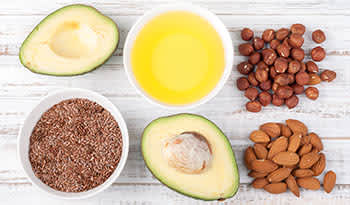
- 60-70% of daily calories are from fats (avocado, fish, nuts, chia seeds, flax seeds, cheese, MCT oil, etc.)
- 20-25% of calories are from protein (meat, fish, chicken, nuts, green leafy vegetables)
- 5% of calories from carbohydrates (strawberries, blueberries, cherries, coconut, green leafy vegetables, almond flour, etc.).
Benefits Of The Keto Diet
Many experience the following benefits while on a keto diet:
- Hunger and appetite control
- Mental clarity
- Weight management
- Improved sleep
- Stabilized blood sugar and improved insulin sensitivity
- Supported cardiovascular health
- Improved energy
- Reduced heartburn
- Improved immune system and slowed biological aging
- Improved memory
- Supported a clear complexion
- Management of occasional stress
- Improved self-discipline
What Are Macronutrients?
While vitamins and minerals are considered micronutrients, all foods are composed of the three macronutrients, sometimes referred to as “macros” for short:
Carbs
Carbohydrates are the first macronutrient and can be considered either simple or complex.
Simple Carbohydrates: Simple carbohydrates are made of shorter chains of sugar, compared to complex carbohydrates. When digested, they are more easily absorbed in the gut and, as a result, raise the blood sugar more rapidly than complex carbs. Eating simple carbohydrates also causes the body to release more insulin when compared to complex carbohydrates, leading to weight gain.
Consuming simple carbohydrates often leaves a person feeling hungry shortly after eating, resulting in the craving of more simple carbohydrates.
Examples of simple carbohydrates that do not follow the keto diet:
- Processed Foods
- Potatoes
- Bread
- Cakes
- Rice
- Tortillas
- Pastries
- High-sugar Fruits
Complex Carbohydrates: Complex carbohydrates are made of long chains of sugars than simple carbohydrates. Because of this, they take longer to digest and do not raise blood sugar as quickly as simple carbs do. This means they have a lower glycemic index, and they allow the body to feel fuller longer than simple carbohydrates. A ketogenic diet allows for the consumption of most complex carbohydrates without limit. However, beans and peas, while complex carbohydrates, are not allowed on a ketogenic diet.
Examples of complex carbohydrates:
- Cabbage
- Brussel Sprouts
- Broccoli
- Kale
- Lettuce
- Onions
- Spinach
Fats
Fat is the second macronutrient. Those on a keto diet should consume 60-70 percent of their calories in the form of fat. Contrary to common belief, not all fats in foods are bad — when more healthy fats are consumed, the body becomes more efficient in burning fat. In addition, many doctors, myself included, believe that eating fat does not necessarily make one fat. Eating sugar seems to be a bigger culprit.
Fat plays an important role in the body’s overall metabolism. However, some fats have been labeled “good fats,” while others have been labeled “bad fats”. In recent years, the dangers of saturated fats, often considered a “bad fat”, have been called into question.
Examples of fats:
Proteins
The third macronutrient is protein. Proteins, which are composed of and broken down into amino acids, are essential nutrients that play an important role in the body. The basis for hair, nails, enzymes, and hormones, proteins are also important building blocks of bone, cartilage, tendons, muscle, and skin.
Examples of protein:
Sugar Is The Problem
Most of us rely solely on sugar, or glucose, for energy. It can be consumed when we eat foods high in sugar or rich in simple carbohydrates. Because simple carbohydrates break down into glucose, when we consume more glucose than our bodies can burn, our bodies will store the excess sugar, which will eventually become fat. Contrary to popular belief, not all fruits are equal, and eating high-sugar fruits regularly can also be problematic for those who need to limit their sugar intake.
Two hundred years ago, the average person consumed seven pounds (3.2 kg) of sugar per year. By 2020, that average has skyrocketed to between 100 and 120 pounds (47 -55 kg) per year.
The excessive intake of sugar almost certainly explains the disease trends we see around the world, which include obesity, high cholesterol, metabolic health, sleep apnea, high blood pressure, and other chronic diseases.
How Does The Keto Diet Work?
Ketosis occurs when fat tissue is broken down into free fatty acids. These fatty acids are then transported to the liver, where they will be converted into ketones, molecules that act as an alternative fuel source. The main ketones are beta-hydroxybutyrate, acetoacetate, and acetone.
I frequently explain to patients that ketones are like high-octane fuel for the body. They are a “cleaner-burning” fuel that both the brain and the rest of the body can utilize when sugar intake is reduced. The use of ketones for fuel, as opposed to sugar, also results in less oxidative damage to the cells of the body.
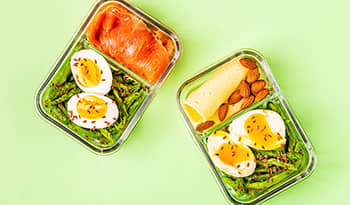
Ketosis can mean different things to different people. The ketosis diet I follow is rich in green leafy vegetables and includes healthy fats, seafood, meat, chicken, eggs, cheese, nuts, and seeds. As with almost anything, moderation is key! Typically avoided are sweets, sugars, bread, rice, tortillas, potatoes, beans, and other processed foods. Fortunately, there are great-tasting keto snacks and keto bars that make this easier.
While the ketogenic diet may not be for everybody, it can be a great alternative for those who have not succeeded in controlling their weight or diabetes using other low-calorie diets.
Many who are carbohydrate-sensitive (or experience blood sugar imbalances) and have trouble controlling their blood sugar levels have also seen significant benefits from going on a low-carbohydrate, high-healthy-fat diet.
I personally went on the keto diet back in the summer of 2017. At that point, I had reached my peak weight of 247 pounds (112 kg). Although I am six feet, three inches tall, that weight was still uncomfortable for me — my clothes did not fit correctly, and sleep was not refreshing. In addition, my knees and back were hurting despite no history of injury.
After 90 days of being completely committed to a low-carb lifestyle, I found myself down 30 pounds (14 kg). And I was able to accomplish all this without rigorous exercise, though after I lost the excess weight, I started working out regularly to build muscle.
This low-carb approach helped me lose the weight I had been trying to shed for more than 10 years. Observing my success, many patients inquired as to what I was doing, so I shared my strategy with them.
Years later, I have kept the weight off, and I’ve had dozens of patients significantly improve their energy levels, support healthy metabolic function, lose weight, and sleep better with the same approach.
Supplements To Consider On A Ketogenic Diet
- Exogenous Ketones - including beta-hydroxybutyrate (BHB) as both a magnesium and sodium salt.
- Medium Chain Triglycerides (MCT) Oils - a great source of healthy fat, which can be easily converted into ketones. MCT coffee creamer is used by many on the ketogenic diet.
- Multivitamin - A quality multivitamin is recommended for most children and adults.
- Magnesium - Ensuring adequate magnesium intake can help prevent muscle cramps and spasms.
- Vitamin D – Four in five people have suboptimal levels. Supplementing with 2,000-5,000 IU daily for life is recommended for most.
- Green Supplements and Powders – While diet is always the best way to reach nutritional needs, these supplements and powders can help ensure all antioxidants are covered.
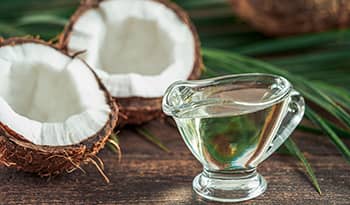
- Cooking with Coconut Oil or Avocado oil - A great source of fat and great for sautéing vegetables.
- Omega-3 Fatty Acids - Supports a healthy inflammatory response.
- Whey Protein, Soy Protein, or Pea Protein - Ideal for meal replacement and as an addition to smoothies.
- Bittermelon, Cinnamon, Chromium Picolinate, and Berberine - All can also be considered, especially for those seeking to maintain healthy blood sugar levels already within the normal range.
References:
- Saslow LR, Mason AE, Kim S, et al. An Online Intervention Comparing a Very Low-Carbohydrate Ketogenic Diet and Lifestyle Recommendations Versus a Plate Method Diet in Overweight Individuals With Type 2 Diabetes: A Randomized Controlled Trial. J Med Internet Res. 2017;19(2):e36. Published 2017 Feb 13. doi:10.2196/jmir.58062
- Dashti HM, Al-Zaid NS, Mathew TC, et al. Long term effects of ketogenic diet in obese subjects with high cholesterol level. Mol Cell Biochem. 2006;286(1-2):1–9. doi:10.1007/s11010-005-9001-x
- Staverosky T. Ketogenic Weight Loss: The Lowering of Insulin Levels Is the Sleeping Giant in Patient Care. J Med Pract Manage. 2016;32(1):63–66.
- Gross EC, Klement RJ, Schoenen J, D'Agostino DP, Fischer D. Potential Protective Mechanisms of Ketone Bodies in Migraine Prevention. Nutrients. 2019;11(4):811. Published 2019 Apr 10. doi:10.3390/nu11040811
- Rusek M, Pluta R, Ułamek-Kozioł M, Czuczwar SJ. Ketogenic Diet in Alzheimer's Disease. Int J Mol Sci. 2019;20(16):3892. Published 2019 Aug 9. doi:10.3390/ijms20163892
- Phillips MCL, Murtagh DKJ, Gilbertson LJ, Asztely FJS, Lynch CDP. Low-fat versus ketogenic diet in Parkinson's disease: A pilot randomized controlled trial [published correction appears in Mov Disord. 2019 Jan;34(1):157]. Mov Disord. 2018;33(8):1306–1314. doi:10.1002/mds.27390
- Keto Clarity- Your Definitive Guide to the Benefits of a Low-Carb, High-Fat Diet Jimmy Moore with Eric C. Westman, MD
- Bueno NB, de Melo IS, de Oliveira SL, da Rocha Ataide T. Very-low-carbohydrate ketogenic diet v. low-fat diet for long-term weight loss: a meta-analysis of randomised controlled trials. Br J Nutr. 2013;110(7):1178–1187. doi:10.1017/S0007114513000548
DISCLAIMER:
These statements have not been approved by the Food and Drug Administration. These products are not intended to diagnose, treat, cure, or prevent disease.























































 Table of Contents