Body sprays. Hair sprays. Cleaning sprays, nasal sprays, sunscreen sprays, rejuvenating facial sprays—even pharmaceutical sprays. It’s hardly a secret that we’re well-acquainted with the world of aerosols and the convenience and ease of use they offer.
But there’s one contemporary spray that’s particularly making waves these days: Vitamin sprays. From vitamin C to vitamin D, many of the nutrients we require to thrive are increasingly found not in tablets or pills but in sprays you can use on the fly.
And yet, what are vitamin sprays, really? And are they effective?
Below you’ll find a rundown on this wellness trend—and why you may benefit from tossing one or two in your cart.
What Is A Vitamin Spray?
Vitamin sprays are precisely as they sound: They’re highly concentrated vitamins and minerals that are delivered through a spray.
Designed to be sprayed directly in the mouth, they “hit” the starting point of the digestive system—or what’s known as the “buccal” (oral) cavity.1 As such, they’re known (at least in some circles) as buccal and sublingual sprays.
How Do Vitamin Sprays Differ From Capsules or Pills?
Proponents of vitamin sprays claim that they provide individuals with faster delivery of key nutrients, as well as first-rate absorption.
The theory behind it is this: Vitamin sprays are soaked up, so to speak, through the soft tissue lining the mouth (or the buccal membrane), thus bypassing the other parts of your digestive system—such as your stomach, small intestine, and large intestine—and going immediately to your bloodstream. The result, at least hypothetically? Greater efficiency all around.
What Does The Science Say About The Efficacy Of Vitamin Sprays?
Postulations aside, the research behind vitamin sprays’ superiority over other forms of supplements is still in the works—and what we do know is mixed at best.
According to a 2020 meta-analysis featured in the journal Nutrients, vitamin D3 oral spray did not prove to be any more potent than other forms of supplementation.2 Meanwhile, a 2019 study published in the European Journal of Clinical Nutrition indicates that vitamin D sprays are equally effective as vitamin D capsules.3 At the same time, a 2021 Turkish study discovered that vitamin D oral sprays were a cut above oral drops in infants during their first year of life.4 Additional research suggests that, because oral sprays don’t interact with your intestinal vessels, they yield a swifter onset of action.
The bottom line? Ultimately, it’s a matter of age and personal preference—a topic we’ll delve into more below.
So, What Vitamins Are Available In Sprays?
Good question. The lion’s share of available research on vitamin sprays has focused primarily on vitamin D, a fat-soluble vitamin that’s crucial to everything from a balanced mood to cognitive well-being, and vitamin B12, which plays a vital role in energy levels, DNA production, and nerve health.5,6
That said, you can also find spray versions of several other vitamins and minerals, including:
- Vitamin C - a mighty antioxidant that naturally supports immune function, combats cellular damage, and assists in wound healing.7
- Zinc - a critical trace mineral that also organically encourages a strong immune system while further promoting reproductive, tissue, and vision health.
- Magnesium - an essential mineral that may facilitate a brighter, clearer complexion, improved sleep, and hormonal equilibrium.
- Iron - another much-needed mineral that fosters the transport of oxygen to your brain and muscles, also assists in the synthesis of various hormones.
- Vitamin K - which is famous for its blood-coagulating potential.
You can also find multivitamin sprays. These typically feature an assortment of valuable vitamins and minerals—and all in a single shot.
What Are The Benefits Of Vitamin Sprays?
First things first: If you feel you may be lacking in a certain nutrient—or your trusted healthcare professional has supplied you with evidence that you are—your best bet is to revamp your diet and lifestyle.
Iron, for example, is abundant in a number of foods, from pumpkin seeds to dark green leafy vegetables. Meanwhile, you may benefit from safe sun exposure and foods such as eggs, fatty fish (like tuna and salmon), and cheese if your vitamin D levels are less-than-optimal.8 Struggling with low Vitamin K levels? Pile your plate with kale, spinach, broccoli, blueberries, and natto.
In other words? Think of vitamins and minerals—whether ingested via a spray or a supplement—as a way to, well, literally supplement your diet and way of life.
That aside, vitamin sprays do have a host of benefits. In addition to what we touched upon above, they may offer:
Increased convenience
Tend to forget to take your supplements, especially if you’re in a rush to run off to school or work, or after a long day? Vitamin sprays can be taken anytime, anywhere, whether you’re in between meetings or stuck in traffic.
Enhanced bioavailability
The term “bioavailability” refers to the amount of a vitamin that is absorbed in the bloodstream and, in turn, put to use in your body. Advocates of vitamin sprays assert that they possess higher bioavailability than their supplement counterparts (but please note that we don’t have adequate proof of this yet).
Improved taste
By and large, vitamin sprays are infused with other ingredients, from cherry tangerine to grapefruit. This may be particularly appealing for those who internally gag at the mere sight (and scent!) of a traditional tablet or capsule.
Simplified consumption
There’s no need to draw a glass of water or juice: Vitamin sprays only need to be sprayed in your mouth. How much easier can it get than that?
Furthermore, vitamin sprays are ideal for those who have “pill fatigue”—or have grown exhausted by the number of medications or supplements they must take.
Who Is A Good Candidate For Vitamin Sprays?
All told, vitamin sprays are best for those on the go (such as busy parents and frequent business travelers), as well as the elderly. Vitamin sprays may also, as touched upon in the study above, be great for young children who may not like to ingest tablets and supplements.
Additionally, vitamin sprays are a top-notch choice for people who have trouble swallowing.
Lastly? Bear in mind that vitamin sprays might be fitting for anyone who is simply drawn to the novelty—and supreme convenience—of this sort of supplement.
How Do You Take Vitamin Sprays?
Before taking any new vitamins and supplements, I would suggest obtaining the green light from your primary care physician or naturopathic doctor.
Happen to get their express permission? Start by searching for a high-quality vitamin spray from a reputable vendor.
Now, how do you take vitamin sprays? Easily: They work exactly the same as, say, a mint spray. Just open your mouth, spritz the vitamin on your tongue or cheek—and relish the feeling that you’re honoring what your body needs to perform at its peak.
References:
- Kamrani P, Sadiq NM. Anatomy, Head and Neck, Oral Cavity (Mouth). PubMed. Published 2020. https://www.ncbi.nlm.nih.gov/books/NBK545271/
- Grammatikopoulou MG, Gkiouras K, Nigdelis MP, Bogdanos DP, Goulis DG. Efficacy of Vitamin D3 Buccal Spray Supplementation Compared to Other Delivery Methods: A Systematic Review of Superiority Randomized Controlled Trials. Nutrients. 2020 Mar 4;12(3):691. doi: 10.3390/nu12030691. PMID: 32143526; PMCID: PMC7146176.
- Williams, C.E., Williams, E.A. & Corfe, B.M. Rate of change of circulating 25-hydroxyvitamin D following sublingual and capsular vitamin D preparations. Eur J Clin Nutr 73, 1630–1635 (2019). https://doi.org/10.1038/s41430-019-0503-0
- Kabakoglu Unsur E. Vitamin D levels of the healthy infants using oral spray or drop form of vitamın D supplement in the first year of life. Northern Clinics of Istanbul. Published online 2020. doi:https://doi.org/10.14744/nci.2020.09471
- Abdelwahab OA, Abdelaziz A, Diab S, Khazragy A, Elboraay T, Fayad T, Diab RA, Negida A. Efficacy of different routes of vitamin B12 supplementation for the treatment of patients with vitamin B12 deficiency: A systematic review and network meta-analysis. Ir J Med Sci. 2024 Jun;193(3):1621-1639. doi: 10.1007/s11845-023-03602-4. Epub 2024 Jan 17. PMID: 38231320; PMCID: PMC11128391.
- Vitamin B-12. Mayo Clinic. Published June 28, 2024. https://www.mayoclinic.org/drugs-supplements-vitamin-b12/art-2036366
- Cleveland Clinic. 5 Ways Vitamin C Keeps You Healthy. Cleveland Clinic. Published April 5, 2023. https://health.clevelandclinic.org/vitamin-c
- Johns Hopkins Medicine. Sun Safety. www.hopkinsmedicine.org. Published 2023. https://www.hopkinsmedicine.org/health/wellness-and-prevention/sun-safety
DISCLAIMER:
These statements have not been approved by the Food and Drug Administration. These products are not intended to diagnose, treat, cure, or prevent disease.

























































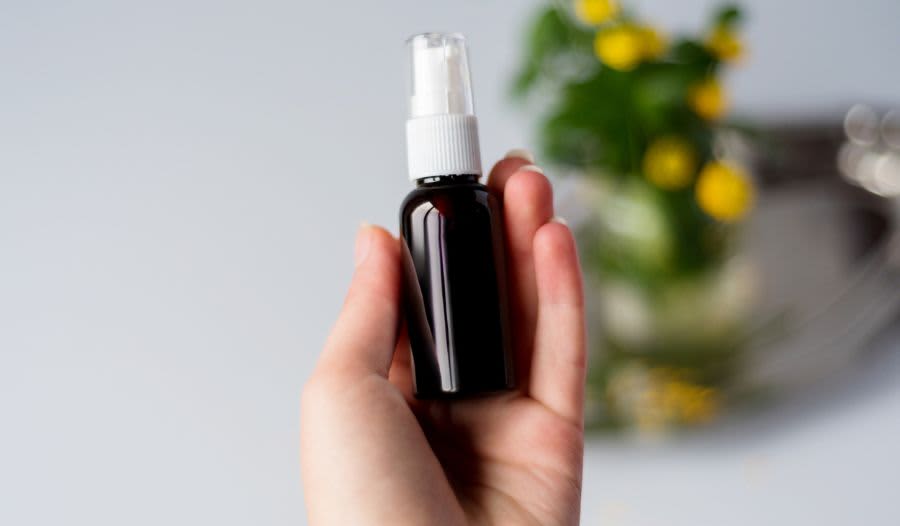
 Table of Contents